
 Portal
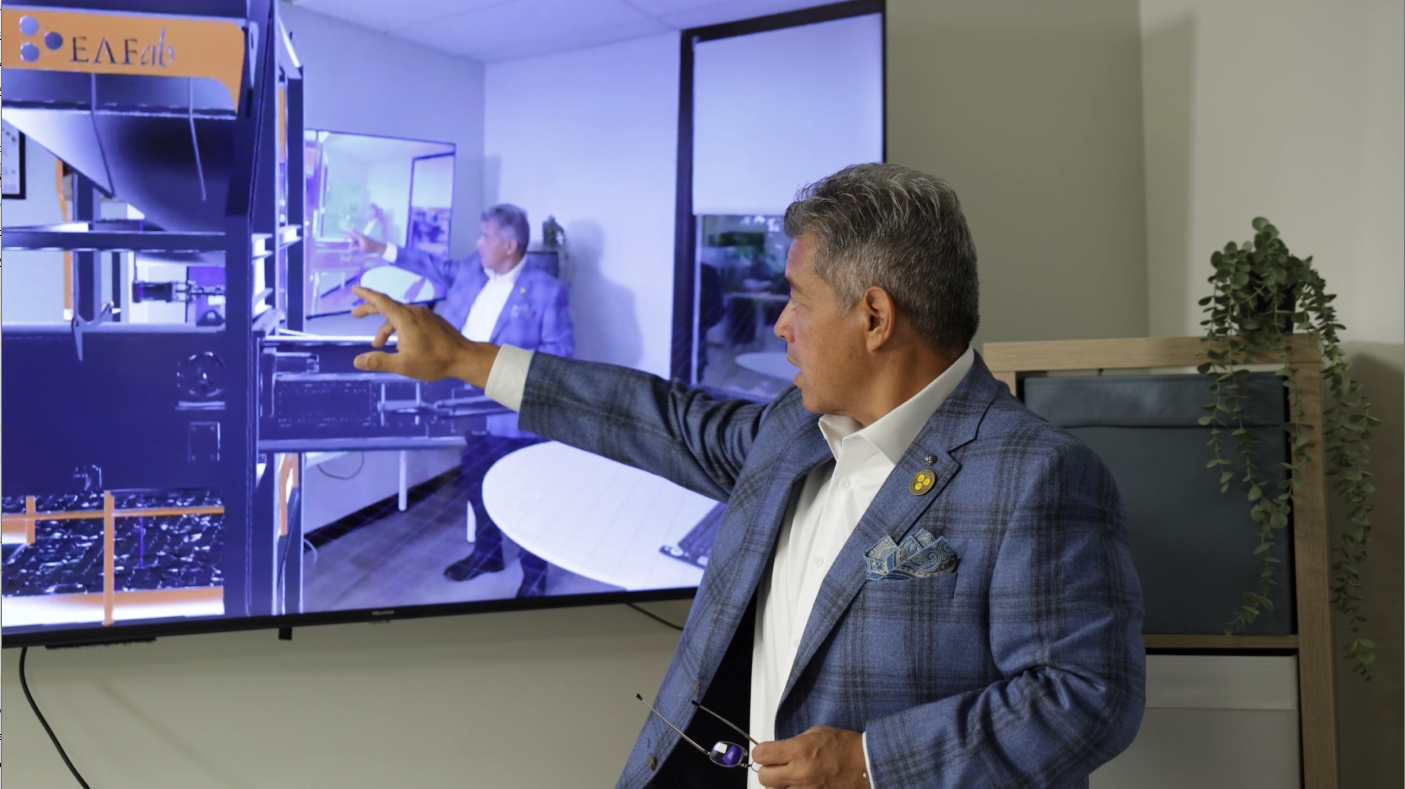
Virtual Reality provides significant benefits to mechanical engineers working in steel manufacturing fields. This tool enables steelmaking teams to visualize complex equipment, practice procedures, test solutions, and collaborate in a virtual environment before implementing physical design revisions into the steel mill.
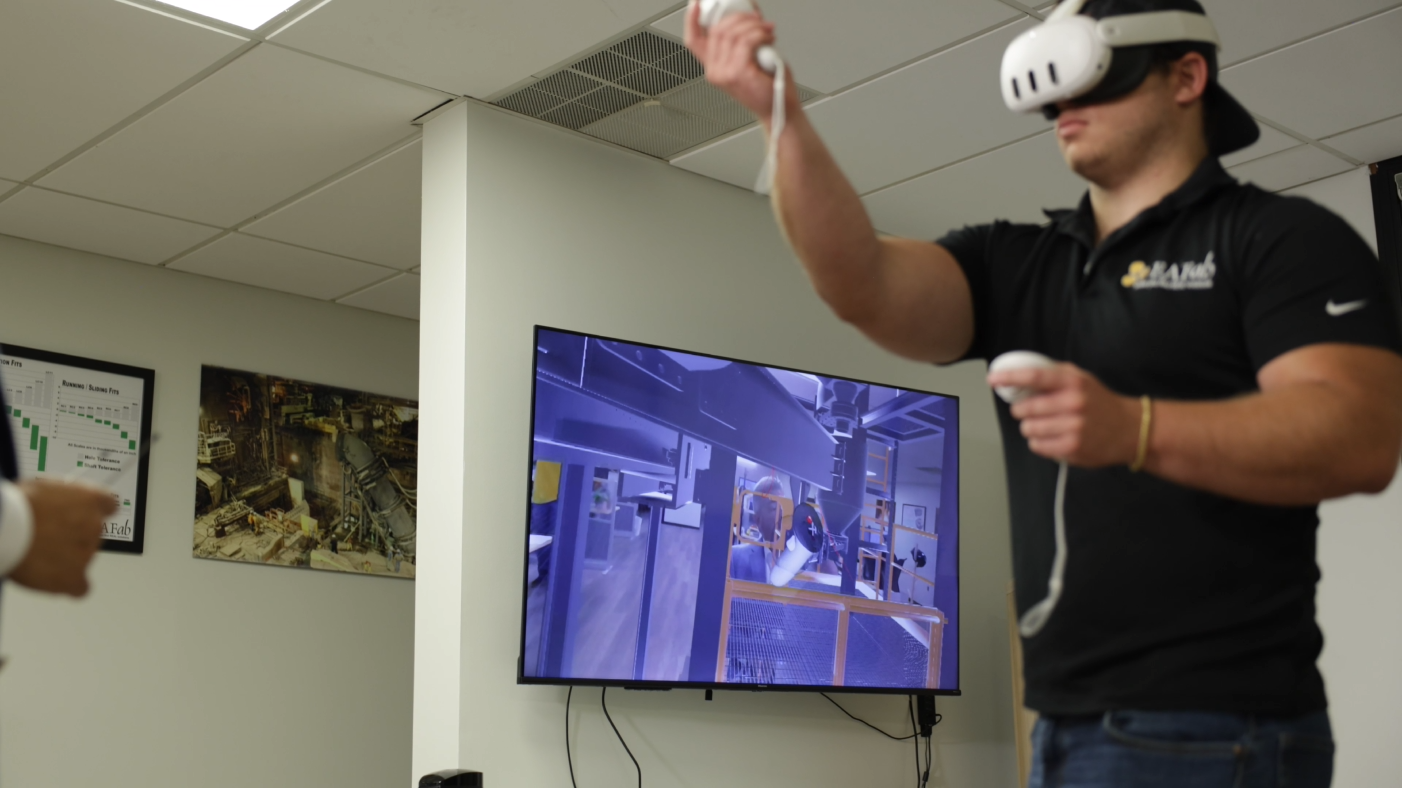
By integrating Virtual Reality into the engineering process, EAFab can ensure that steelmaking teams and equipment suppliers alike are 100% prepared for what comes their way.
Key Benefits for Engineering teams in Steelmaking
Exceptional Visualization of Complex Equipment
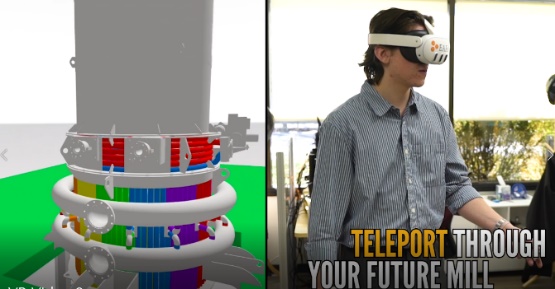
Engineers can explore 3D models of electric arc furnaces, secondary metallurgical processes, rolling mill equipment, production lines, and more inside the VR environment. They can examine components from obscure, hard-to-reach angles and understand how individual systems interact without physically accessing hazardous environments.
More Efficient Design Reviews and Modifications
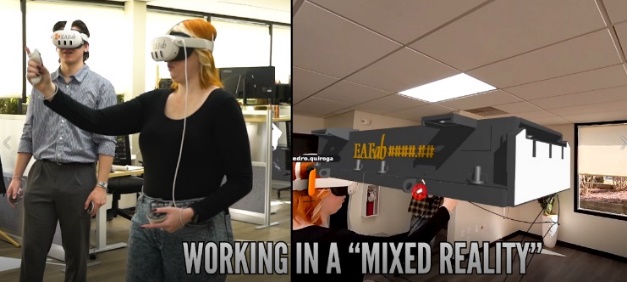
With options of working in both in mixed reality and full virtual reality, engineers can inspect proposed layouts, equipment positioning, pipe routing, and service access in full scale. They can detect conflicts and make modifications during the design process which can reduce expensive rework during installation, as well as use the “teleportation” feature to jump to places not typically accessed by steelworkers.
Improved Teamwork and Collaboration Capabilities
Steel suppliers and steel producers can review the same virtual model together in real time. Whether you’re in different rooms, buildings, states, or continents, EAFab’s collaboration capability with VR has no borders, truly. This helps both internal and external teams communicate technical issues, coordinate modifications, and make educated decisions with an at-scale model in front of them.
Safer Risk Assessment
As a proud contributor to the “No Man on the Floor” initiative, EAFab encourages steelmaking teams to utilize VR for increased steel safety. Engineers can simulate hazardous scenarios, assess access routes, review emergency procedures, and identify potential pinch points or collision hazards without exposing themselves to live industrial conditions.
Improved Technical Learning and Knowledge Transfer
Through interactive experiences guided by experienced engineers, new hires and students can learn the technicalities of plant layouts, equipment functions, operating sequences, and maintenance procedures all before stepping foot in the steel mill. Seasoned steelworkers can share detailed technical knowledge with the next generation by simulating both optimal and non-optimal operations from a view that is no longer accessible. Above all, by going through the mill virtually, safety and situational awareness increases.
How Steel Producers Benefit
There are many ways steel mills have benefited from collaborating with both internal and external teams in Virtual Reality. To name a few,
- Reduced physical design rework for both active and failing equipment
- Increased maintenance preparation for down days and steel mill shutdowns
- Improved consistency in technical and operational procedures
- Potential reductions in downtime and training costs
- Expanded and clearer communication among customer-supplier relationships
Virtual Reality as a Steelmaking Tool
Virtual Reality can help engineers across the steel industry expand their capabilities from traditional drawings, classroom instruction, and physical walkthroughs towards more immersive, interactive engineering workflows. Its greatest value is in visualizing complex equipment, preparing maintenance activities, improving safety planning, reviewing designs, and training steelworkers to respond in difficult situations.
For the best results, VR should be integrated with engineering tools such as CAD models, plant information systems, and simulation software. It should complement engineering calculations, approved work procedures, physical inspections, and hands-on experience rather than replace them.
Since fully integrating VR into EAFab’s standard project workflow, our engineering team has identified and resolved even the smallest discrepancies before models are finalized or manufacturing begins. If VR-enabled engineering could improve your steelmaking processes, contact EAFab Corporation today.


